

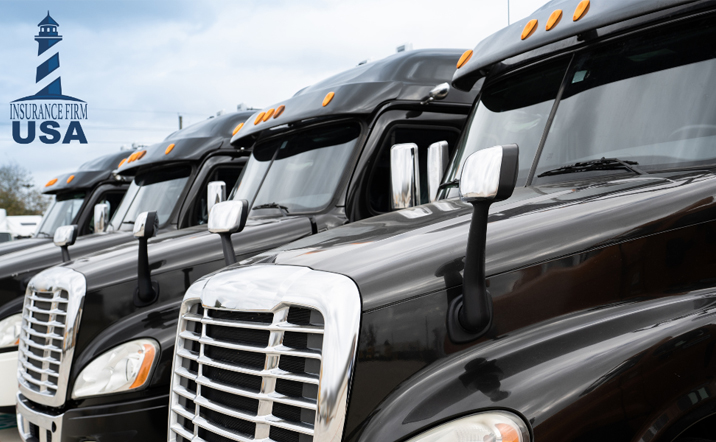
In the dynamic world of transportation and logistics, trucking companies are the lifeline that keeps goods flowing across vast distances. However, with great opportunity comes great risk. From accidents on the road to regulatory compliance challenges, the trucking industry faces a multitude of risks that can disrupt operations and threaten financial stability. In this blog, we’ll explore the top 10 risks encountered by trucking companies and delve into how insurance can serve as a crucial safeguard against these challenges.
- Accidents and Collisions
Accidents and collisions are among the most significant risks faced by trucking companies. Whether caused by human error, adverse weather conditions, or mechanical failures, these incidents can result in property damage, bodily injury, and costly legal disputes.
How Insurance Helps: Comprehensive trucking insurance policies provide coverage for property damage, bodily injury liability, medical expenses, and legal defense costs arising from accidents and collisions, helping trucking companies mitigate financial losses and protect their assets.
- Cargo Damage or Loss
Cargo damage or loss during transit poses a significant risk to trucking companies and their clients. Whether due to improper loading, shifting cargo, or theft, damaged or lost cargo can lead to financial losses and damage to reputation.
How Insurance Helps: Cargo insurance offers protection against loss, damage, or theft of cargo while in transit, ensuring that trucking companies and their clients are reimbursed for the value of the lost or damaged goods.
- Regulatory Compliance
The trucking industry operates within a complex regulatory environment governed by federal and state agencies. Failure to comply with regulations related to driver hours-of-service, vehicle maintenance, and safety standards can result in fines, penalties, and loss of operating authority.
How Insurance Helps: Insurance providers offer risk management services and guidance to help trucking companies navigate regulatory requirements and maintain compliance, reducing the risk of regulatory violations and associated penalties.
- Driver Shortage and Turnover
The trucking industry faces a persistent challenge of driver shortage and high turnover rates. Recruiting and retaining qualified drivers is essential for maintaining operational efficiency and meeting customer demands.
How Insurance Helps: Some insurance providers offer driver recruitment and retention programs as part of their services, providing incentives and support to help trucking companies attract and retain skilled drivers, thereby reducing turnover rates and enhancing operational stability.
- Equipment Breakdowns
Equipment breakdowns, including engine failures, transmission problems, and tire blowouts, can lead to costly repairs, downtime, and disruptions to delivery schedules.
How Insurance Helps: Equipment breakdown insurance provides coverage for the cost of repairs or replacement of damaged equipment, helping trucking companies minimize downtime and resume operations quickly.
- Cybersecurity Threats
With the increasing digitization of operations and reliance on technology, trucking companies are vulnerable to cybersecurity threats such as data breaches, ransomware attacks, and phishing scams.
How Insurance Helps: Cyber insurance policies offer coverage for expenses related to data breaches, cybersecurity incidents, and regulatory compliance, helping trucking companies mitigate financial losses and reputational damage resulting from cyberattacks.
- Environmental Liabilities
Spills, leaks, and accidents involving hazardous materials pose environmental risks to trucking companies and surrounding communities, resulting in cleanup costs, fines, and legal liabilities.
How Insurance Helps: Environmental liability insurance provides coverage for pollution cleanup costs, third-party bodily injury, property damage, and legal defense expenses arising from environmental incidents, helping trucking companies mitigate financial risks associated with environmental liabilities.
- Rising Fuel Costs
Fluctuations in fuel prices can impact operating costs and profitability for trucking companies, making it challenging to maintain competitive pricing and margins.
How Insurance Helps: Some insurance providers offer fuel management and cost containment programs to help trucking companies monitor fuel usage, optimize routes, and reduce fuel expenses, thereby improving profitability and operational efficiency.
- Supply Chain Disruptions
Disruptions in the supply chain, including natural disasters, geopolitical events, and pandemics, can disrupt logistics operations, delay deliveries, and impact customer satisfaction.
How Insurance Helps: Supply chain insurance provides coverage for financial losses resulting from supply chain disruptions, including business interruption, extra expenses, and loss of income, helping trucking companies mitigate the impact of unforeseen events on their operations and bottom line.
- Reputation and Brand Risk
Negative publicity, customer complaints, and social media backlash can damage the reputation and brand image of trucking companies, leading to loss of trust and potential business opportunities.
How Insurance Helps: Reputational risk insurance offers coverage for costs associated with managing and repairing reputational damage, including crisis management, public relations expenses, and legal fees, helping trucking companies protect their brand and maintain customer trust in the face of adverse events.
In conclusion, the trucking industry faces a myriad of risks that can threaten operational stability, financial viability, and reputation. However, with the right insurance coverage and risk management strategies in place, trucking companies can navigate these challenges effectively, protect their assets, and safeguard their future success on the road ahead.